
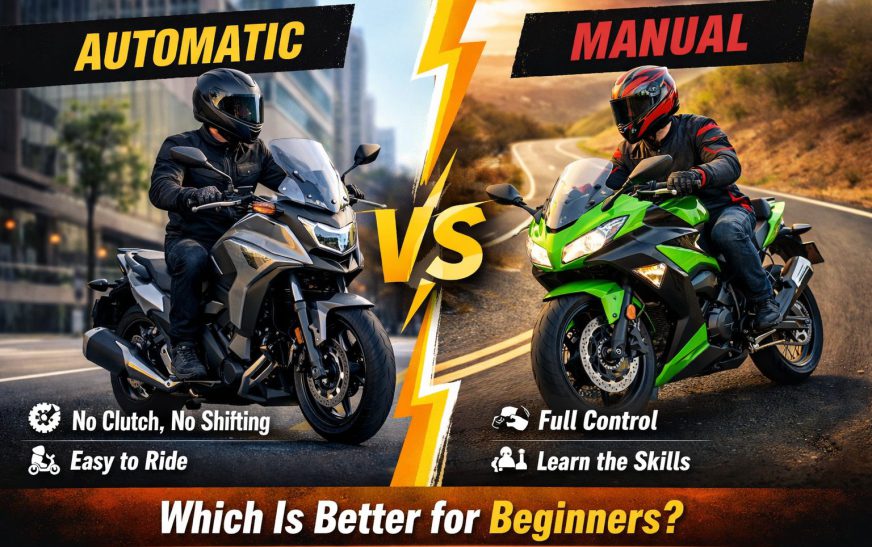
Choosing your first motorcycle is one of the most exciting — and confusing — decisions a new rider will make. One of the biggest questions beginners ask is: Should I start with an automatic or a manual motorcycle? Both options have advantages and disadvantages, and the right choice depends on your riding goals, confidence level, and how you plan to use the bike.
In this guide, we’ll break down automatic vs manual motorcycles for beginners, compare real-world riding experiences, costs, safety, learning curves, and long-term ownership — so you can confidently choose the best motorcycle to start your riding journey.
What Is an Automatic Motorcycle?
An automatic motorcycle does not require manual clutch operation or gear shifting. Instead, the bike automatically adjusts gear ratios using systems such as CVT (Continuously Variable Transmission), DCT (Dual-Clutch Transmission), or electric drivetrains.
Popular automatic motorcycles include:
- Honda Rebel 1100 DCT
- Honda NC750X DCT
- Scooters like the Honda ADV160
- Electric motorcycles like Zero Motorcycles
Automatic motorcycles allow riders to focus on balance, throttle control, and traffic awareness without worrying about stalling or shifting.
What Is a Manual Motorcycle?
A manual motorcycle uses a clutch lever and foot shifter, giving the rider full control over gear selection. This is the traditional motorcycle setup and remains the most common worldwide.
Manual motorcycles are favored by riders who want:
- Maximum control
- Sporty or aggressive riding
- Lower purchase cost
- Easier maintenance in many cases
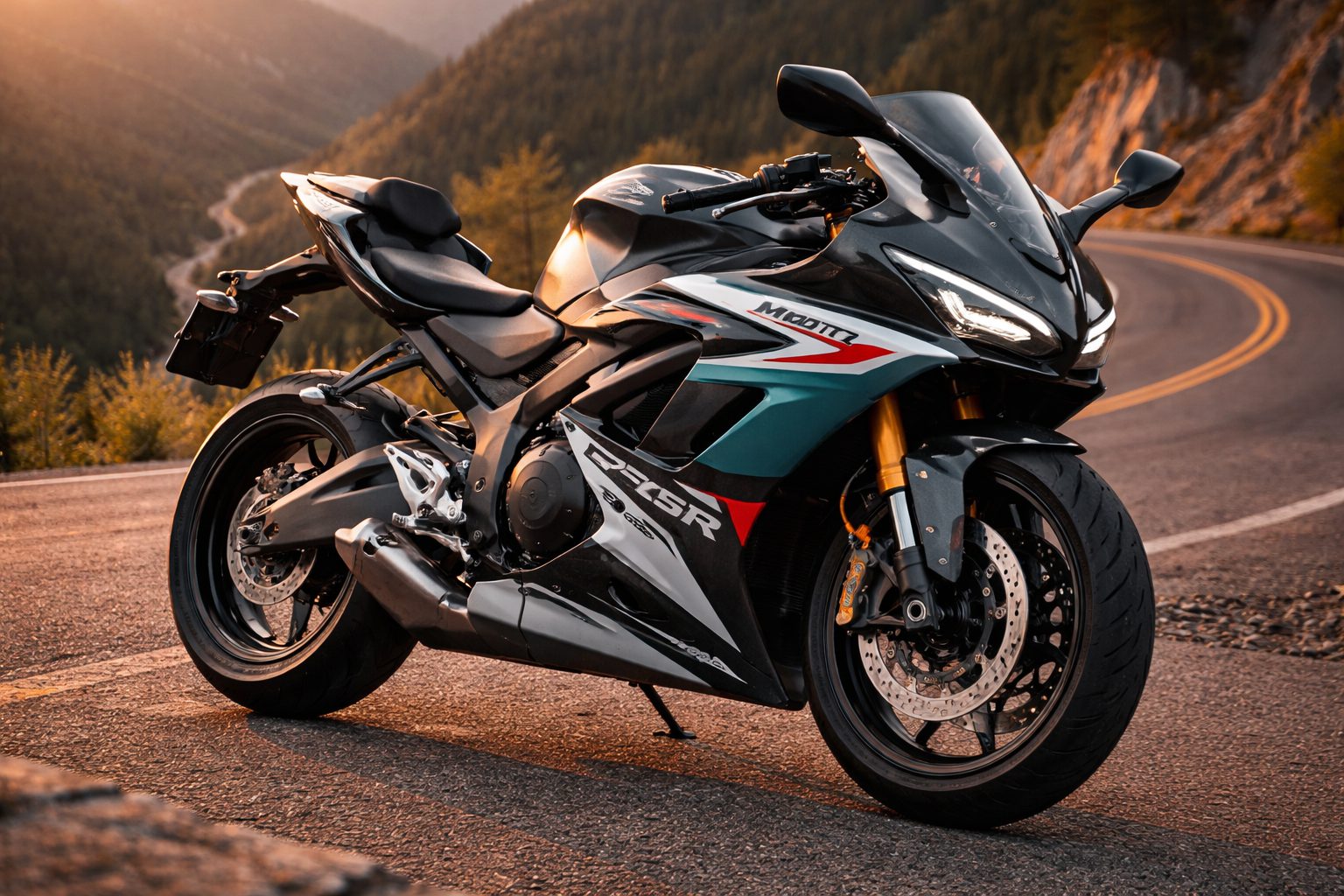
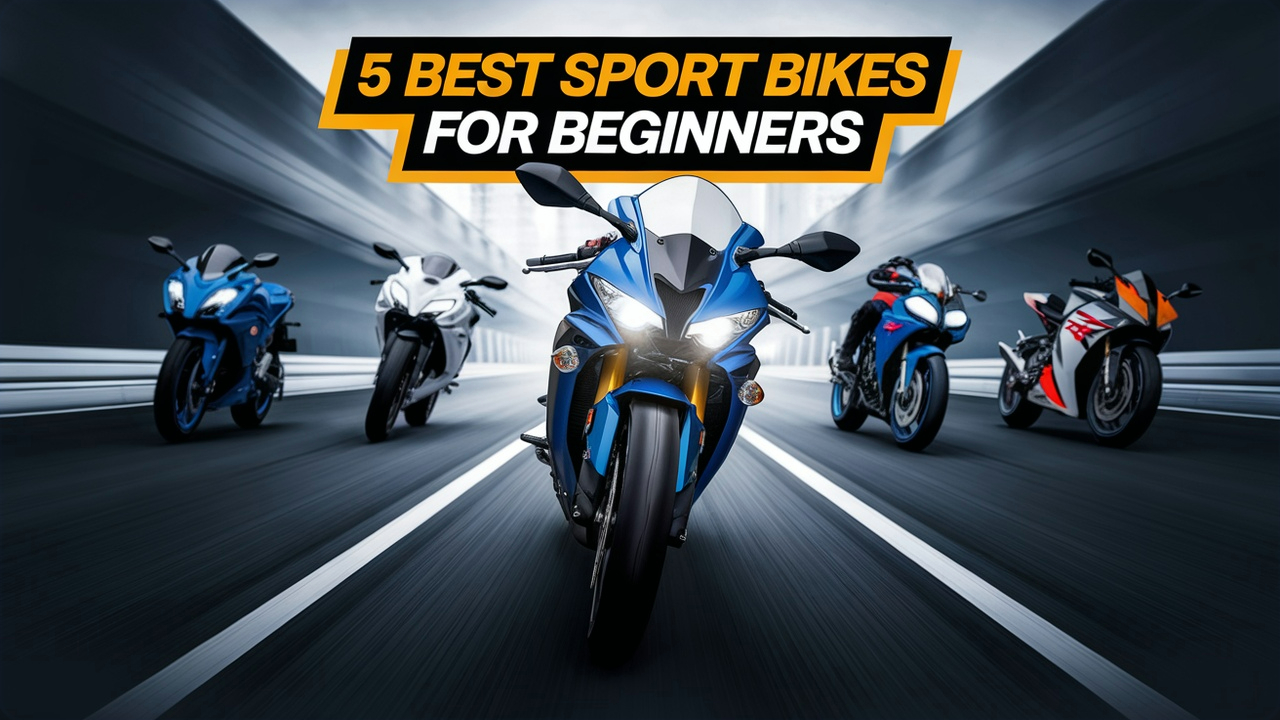
Most beginner motorcycles — such as the Yamaha MT-03, Kawasaki Ninja 400, and Honda CB300R — use manual transmissions.
Learning Curve: Which Is Easier for Beginners?
For beginners, automatic motorcycles are easier to learn. There’s no clutch to manage, no risk of stalling at stoplights, and no need to coordinate throttle and clutch timing. This can significantly reduce anxiety for first-time riders, especially those who plan to ride in city traffic or congested areas.
Manual motorcycles have a steeper learning curve, but it’s not insurmountable. Most riders adapt within a few weeks of practice. Learning manual shifting also builds strong riding fundamentals that translate well across all motorcycle types.
Verdict:
✔ Automatic = easier start
✔ Manual = more skill development
Safety for Beginner Riders
Safety is a top concern for new riders. Automatic motorcycles often provide a safety advantage early on because riders can:
- Keep both hands focused on braking and steering
- Avoid stalling in intersections
- Reduce mental overload
Manual motorcycles demand more attention, which can be challenging for beginners in emergency situations. However, once mastered, manuals offer better engine braking control, which can improve overall safety at higher skill levels.
Regardless of transmission type, protective gear is essential for beginners.
🔗 Recommended Beginner Safety Gear
Cost Comparison: Automatic vs Manual Motorcycles
When it comes to price, manual motorcycles are generally cheaper. Entry-level manual bikes often start around $4,000–$6,000, while automatic motorcycles — especially DCT or electric models — can cost $6,500–$11,000 or more.
Maintenance costs also differ:
- Manual motorcycles: simpler mechanics, cheaper repairs
- Automatic motorcycles: more complex systems, higher repair costs
Fuel efficiency varies, but scooters and electric automatics can be extremely cost-effective for daily commuting.
Verdict:
✔ Manual motorcycles are more budget-friendly
✔ Automatics cost more upfront but offer convenience
Riding Experience & Performance
Manual motorcycles provide a more engaging riding experience. Riders can control power delivery precisely, which is especially important for highway riding, sport riding, or aggressive acceleration.
Automatic motorcycles shine in:
- Stop-and-go traffic
- Urban commuting
- Long rides where fatigue matters
For beginners who want a relaxed ride, automatic motorcycles remove much of the stress. Riders who want to grow into sport riding or advanced techniques may prefer starting with a manual.
Best Automatic Motorcycles for Beginners
If you decide to go automatic, these are excellent beginner-friendly options:
- Honda Rebel 1100 DCT – Cruiser style, powerful yet beginner-friendly
- Honda NC750X DCT – Comfortable, fuel-efficient commuter
- Honda ADV160 – Lightweight, city-focused scooter
- Zero S Electric Motorcycle – Silent, simple, zero emissions
Best Manual Motorcycles for Beginners
Manual bikes remain the most popular choice for new riders:
- Yamaha MT-03 – Lightweight, nimble, affordable
- Kawasaki Ninja 400 – Sporty but forgiving
- Honda CB300R – Excellent balance and reliability
- KTM 390 Duke – Performance-oriented beginner bike
Long-Term Growth: Which One Should You Choose?
One important factor beginners often overlook is long-term riding goals. If you plan to:
- Upgrade to sportbikes or touring bikes
- Ride on highways frequently
- Learn advanced riding skills
A manual motorcycle may serve you better long-term.
However, if you want:
- Stress-free commuting
- Casual weekend rides
- Comfort and simplicity
An automatic motorcycle may be the perfect fit.
Must-Have Accessories for Beginner Riders
Accessories can dramatically improve safety and comfort.
These items are popular among beginner riders and convert well for affiliate marketing.
Automatic vs Manual Motorcycles: Final Verdict
There is no universal “best” motorcycle for beginners — only what’s best for you.
Choose an automatic motorcycle if you want:
- Easy learning
- Low stress
- City commuting comfort
Choose a manual motorcycle if you want:
- Lower cost
- Skill development
- Long-term riding versatility
Both paths lead to becoming a confident rider — what matters most is choosing a bike that keeps you safe, comfortable, and excited to ride.
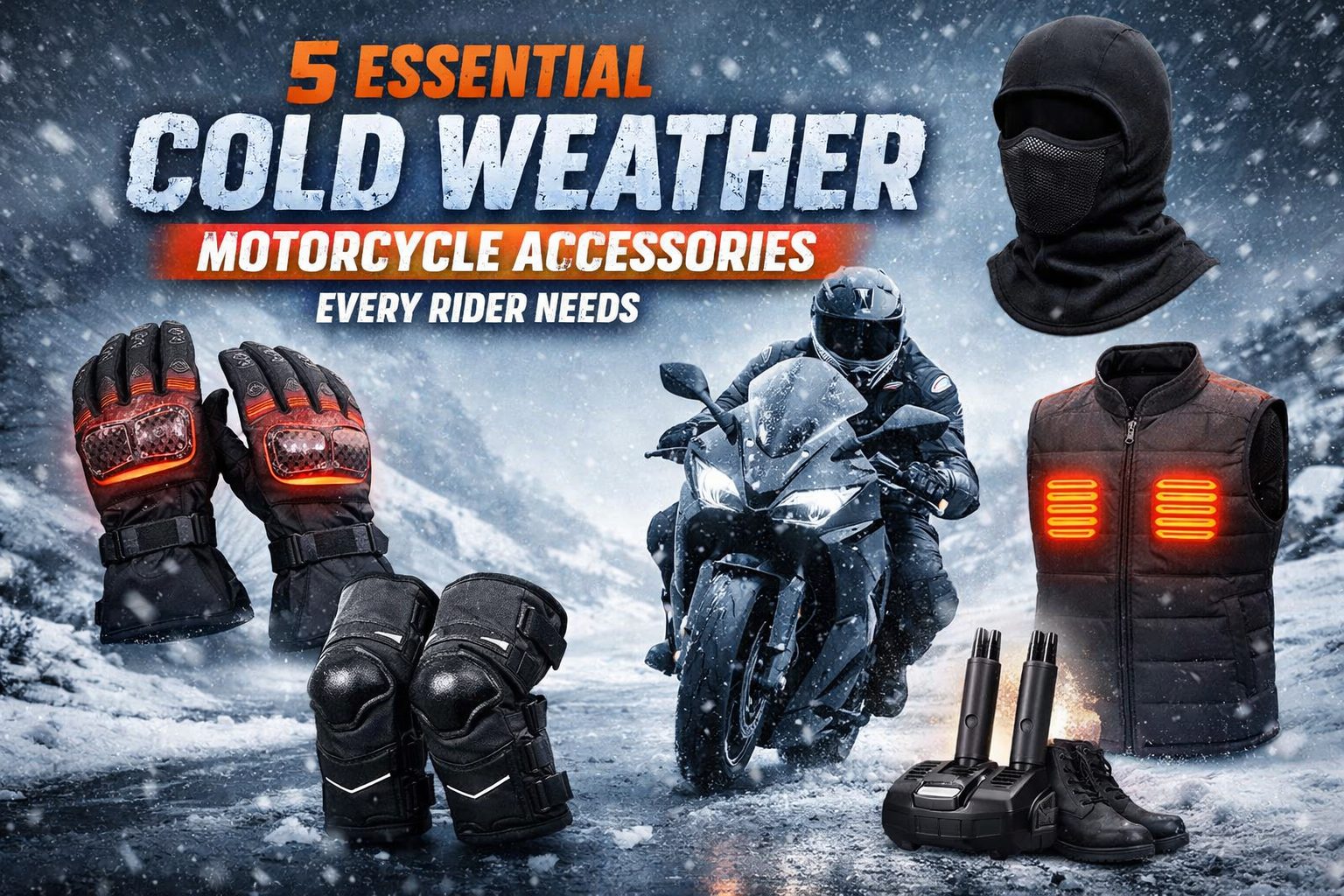
5 Essential Cold Weather Motorcycle Accessories Every Rider Needs — Click Here for Details